
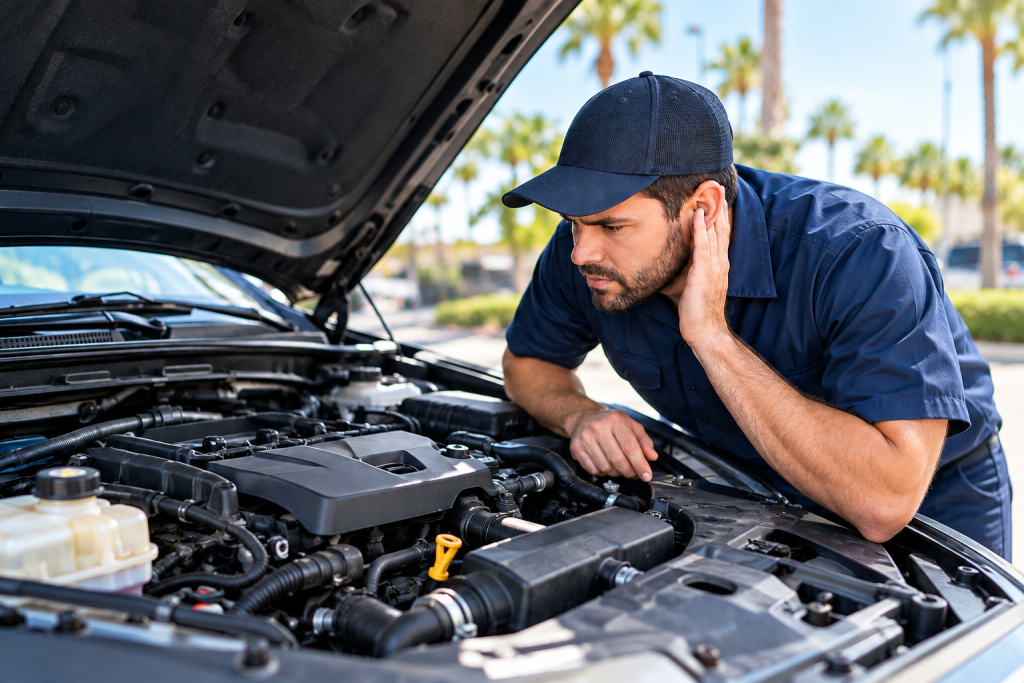
When a hurricane heads toward the Lowcountry, your car becomes one of the most important things you have to protect. It may be your way out if an evacuation order comes, and it is also one of the most expensive items at risk from wind, flooding, and falling debris. Charleston drivers know how fast the situation can change, and a car that is not ready can leave you stuck at the worst moment. This hurricane car prep checklist for Charleston explains how to get your car ready for hurricane season and evacuations, what to do right before a storm, and what to check afterward.
Why Prepare Your Car Before the Storm
Once a storm is in the forecast, gas stations get crowded, shops fill up, and roads clog with traffic. Waiting until then makes everything harder. A car that has been checked ahead of time starts reliably, runs cooler in long traffic jams, and is far less likely to break down on an evacuation route. Preparing early is simple, and it is one of the best ways to reduce stress when conditions get uncertain.
Part One: Prepare Before Hurricane Season Peaks
These steps are best done weeks before a storm threatens, so you are not rushing when a forecast changes.
Test the Battery
Heat and humidity are hard on batteries, and a weak one can fail without warning. A load test shows whether yours can still deliver power reliably. Look for slow cranking, dim lights, and corrosion on the terminals. If your car refuses to start, our guide to the top 10 reasons your car won’t start and how to get back on the road covers the usual causes.
Inspect the Tires
Good tires matter on wet roads and during long evacuation drives. Check the tread depth, look for cracks or bulges, and set the pressure to the number on the door jamb sticker. Make sure your spare is in good shape, and confirm you have the jack and tools to change a tire. Worn tires are much more likely to hydroplane in heavy rain.
Check the Cooling System
Evacuation traffic can mean hours of crawling in summer heat, which is a serious test for your cooling system. Have the coolant level and condition checked, and inspect hoses, belts, and the radiator for wear or leaks. An overheating engine can end an evacuation in the middle of the road.
Look at the Brakes
Wet roads increase stopping distances, so your brakes need to be in good shape. Have the pads, rotors, and brake fluid inspected. Listen for squealing or grinding, and notice if the pedal feels soft.
Replace Wipers and Check Lights
Heavy rain demands clear visibility. Replace wiper blades that streak or chatter, make sure the washer system works, and test every exterior light. Cloudy headlight lenses can also be cleaned or restored.
Check Fluids and Look for Leaks
- Engine oil level and condition
- Coolant level and strength
- Brake fluid and power steering fluid
- Windshield washer fluid
- Any signs of fluid dripping under the car
Address Corrosion Early
Charleston’s salt air and humidity speed up rust on brake parts, electrical connections, and the underbody, and floodwater makes that worse. Our article on salt air and humidity and a Charleston car owner’s maintenance guide explains what to look for and how to slow the damage.
Part Two: Build an Emergency Kit for the Car
Keep a kit in your trunk so you are ready to leave quickly. Consider including these items:
- Jumper cables or a portable jump starter
- A flashlight and extra batteries
- Water and snacks that will not spoil
- A first aid kit and any needed medications
- A phone charger and a car charging adapter
- A paper map of the area, in case phone service is lost
- Basic tools, a tire inflator, and tire sealant
- Rain gear, a blanket, and sunscreen
- Copies of important documents, insurance papers, and your vehicle registration
Part Three: When a Storm Is Approaching
Fill the Gas Tank
Fuel can run short once evacuation begins. Keep your tank at least half full during hurricane season, and fill it as soon as a storm is in the forecast. A full tank also gives you a cushion if you get stuck in traffic.
Document the Condition of Your Car
Take clear photos of all sides of the vehicle, the interior, and the odometer. Record the date and keep the pictures where you can reach them. If you need to file an insurance claim later, these photos help show the condition of the car before the storm. Review your insurance coverage ahead of time so you understand what is included.
Decide Where to Park
Where you leave the car matters. Avoid low lying areas, streets known to flood, and spots beneath large trees or power lines, which can fall in high winds. A garage is a good option if it is sturdy and not in a flood zone. Parking structures on higher floors are often used because they stay above floodwater, though availability and rules vary. Do not leave the car where it could block emergency vehicles.
Protect Against Flood Damage
If you are leaving the area, move the car out of flood prone zones. Never try to wait out a storm in a vehicle. Keep the windows closed, and do not park in front of storm drains or near the water.
Part Four: Evacuating by Car
If an evacuation order is issued, follow the guidance of local officials and leave early if you can. Start with a full tank, a charged phone, and your emergency kit. Take paper copies of key documents, medications, and pet supplies if needed. Plan your route in advance, with at least one alternative, and let someone know where you are going. Expect heavy traffic and take breaks when you can to rest and let the engine cool.
Part Five: After the Storm
Do not assume the car is fine just because it looks fine. Floodwater, wind, and debris can cause damage that does not show right away.
- Do not start a car that has been in standing water, since that can ruin the engine
- Look for water lines inside the car, damp carpet, a musty smell, or fogging in lights
- Check for downed power lines before approaching the vehicle
- Look for dents, cracked glass, and debris on the roof or hood
- Inspect the tires, brakes, and underbody for damage
- Check fluids for signs of water contamination, such as milky oil
- Test the lights, wipers, and electrical systems
Saltwater is especially damaging, and the harm to electrical parts and brakes can show up days or weeks later. If your car was exposed to flooding, have a professional inspect it before you drive it.
Can a Mobile Mechanic Help Before or After a Storm?
Yes. A mobile mechanic can come to your home or workplace to test the battery, inspect the tires and brakes, check fluids and the cooling system, and replace wipers before a storm arrives. After a storm, a technician can assess a car that will not start or shows signs of water exposure, without you needing to tow it first. Some jobs may need a full shop, and a trustworthy technician will tell you honestly when that applies. Demand rises sharply when a storm is near, so scheduling early is wise.
Be Ready Before the Forecast Changes
A hurricane can change course quickly, and the best preparation happens long before the first warning. Get your car inspected, build a kit, keep the tank full, and know your plan for parking and evacuating.
To learn more about our services, visit our homepage. When you are ready to get your car checked, reach out through our contact us page and we will come to you anywhere in the Charleston area.